Indigenous Protected and Conserved Areas (IPCAs) are defined by the Indigenous Circle of Experts (ICE) as “lands and waters where Indigenous governments have the primary role in protecting and conserving ecosystems through Indigenous laws, governance, and knowledge systems. Culture and language are the heart and soul of an IPCA.”
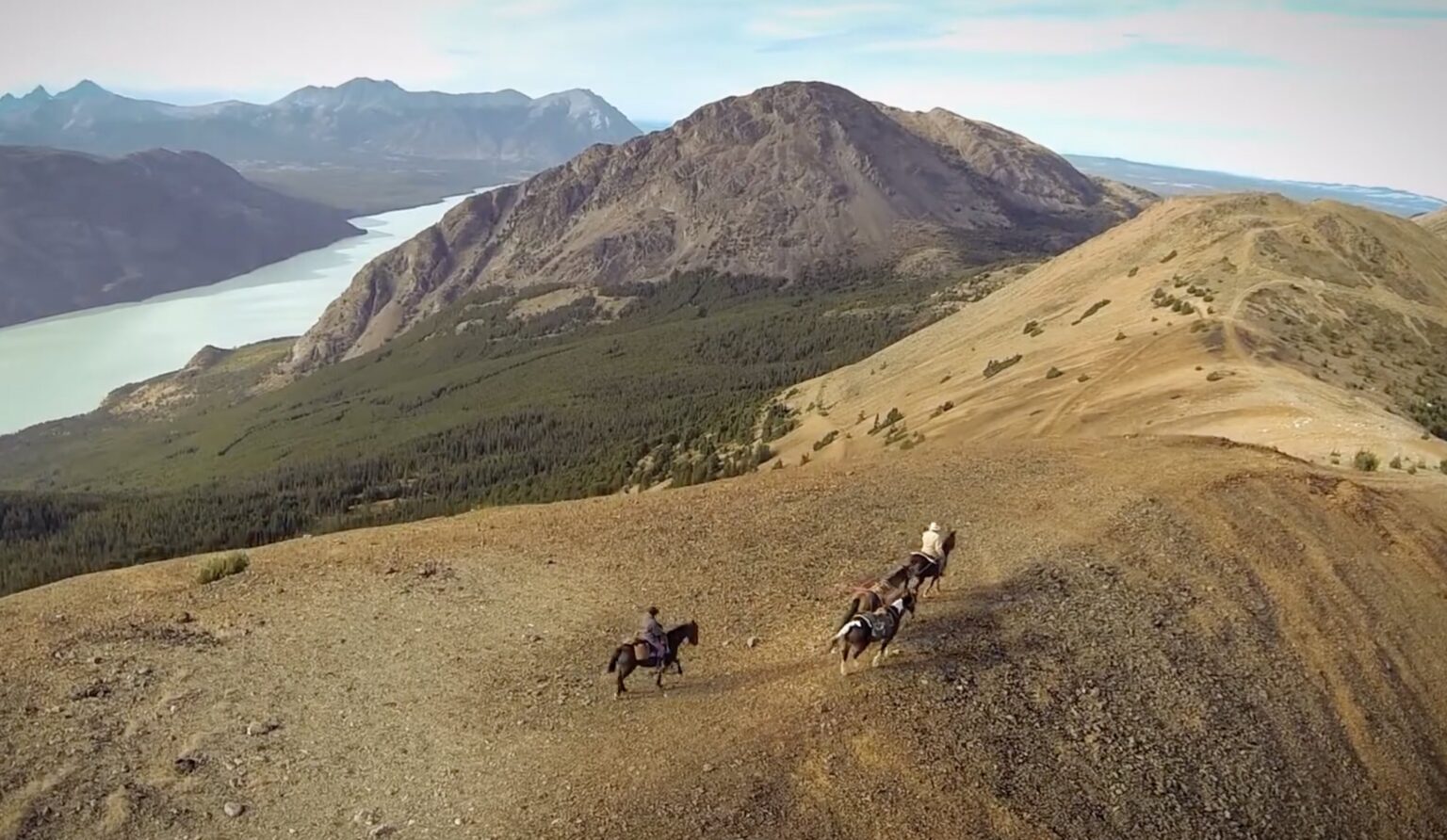
In short, IPCAs are modern expressions of the inherent rights, relationships, and responsibilities Indigenous Peoples have held within their traditional territories for millennia.
The term ‘IPCA’ was adopted by the Indigenous Circle of Experts in 2018 to describe the efforts of Indigenous Nations, governments, and their communities to assert their rights, governance, and sovereignty within their territories in the Canadian context.
IISAAK OLAM Foundation (IOF) Co-Founder and CEO Eli Enns co-chaired ICE and helped shape its landmark report, We Rise Together, which continues to guide conservation efforts across the country. This report recognized IPCAs not only as a conservation solution but as a pathway for reconciliation among and between Indigenous Peoples and newcomers, and between humans and nature.
IPCAs exist within a broader legal and ethical context. IOF supports Indigenous governments and Nations in asserting their responsibilities under foundational agreements such as the Peace and Friendship Treaties, the Douglas Treaties (in the B.C. context), Section 35 of the Canada Act of 1982 (aka the Canadian Constitution), and international instruments like the United Nations Declaration on the Rights of Indigenous Peoples (UNDRIP).
IPCAs are more than physical areas on a map; they are pathways for Nation-building that can help Indigenous Peoples strengthen their spiritual, physical, cultural, ecological, and economic health and well-being.
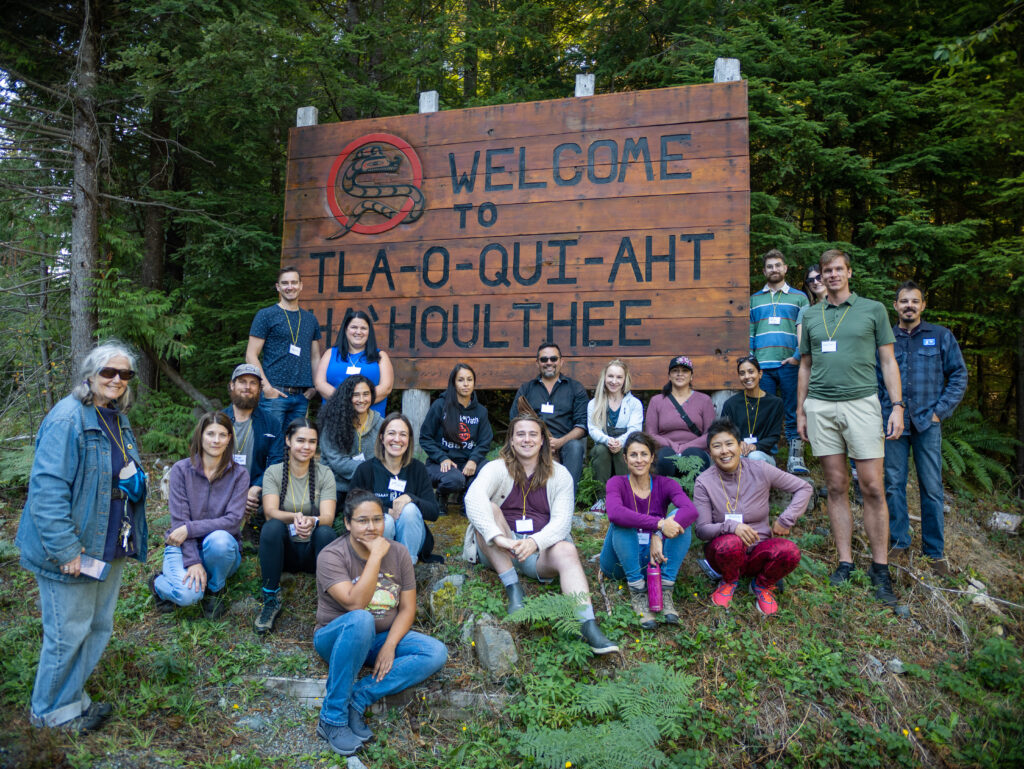
There is no single starting point or process for establishing and managing an IPCA. Indigenous Nations, governments, and communities choose their pathways based on their own laws, governance models, teachings, and knowledge systems, and guided by their distinct values and priorities.
When establishing IPCAs and similar initiatives, Indigenous Nations and governments have to navigate complexities around jurisdiction, financial solutions, capacity, differences in worldviews about species protection and stewardship, as well as other internal and external pressures. IOF supports Nations as they navigate the establishment process.
The term ‘IPCA’ can be understood in many different ways. IPCAs can and should reflect the diversity of Indigenous Peoples and the unique relationships they have with their homelands and territories. Different communities use different terms for their initiatives (e.g.Tribal Park, Indigenous Protected Area (IPA), Salmon Park) or names and phrases in their own languages.
We use the term ‘IPCA’ to honour and continue the work of ICE and the Indigenous governments, Nations, and communities who contributed, not only to the groundbreaking report, but also to the growing Indigenous-led conservation movement.
Learn more about IPCAs by visiting the IPCA Knowledge Basket:
